Noise Mitigation

Offshore Noise Assessment & Prediction for Pile Driving Projects

Detailed underwater noise analysis for offshore wind and energy installations. We provide the technical certainty needed for environmental permitting and structural integrity. 
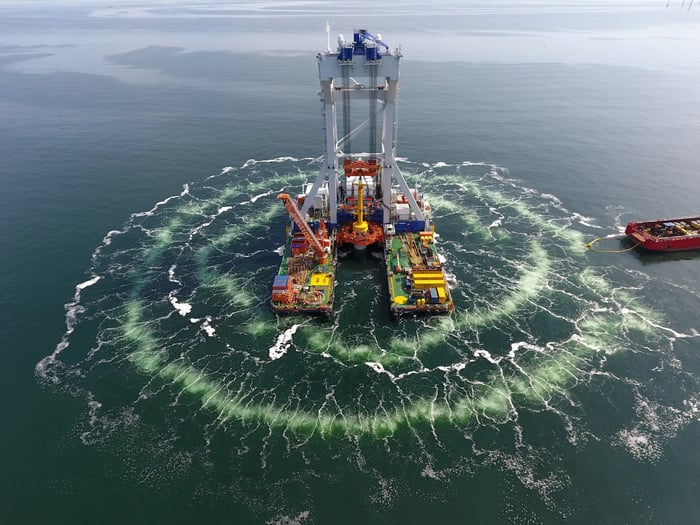
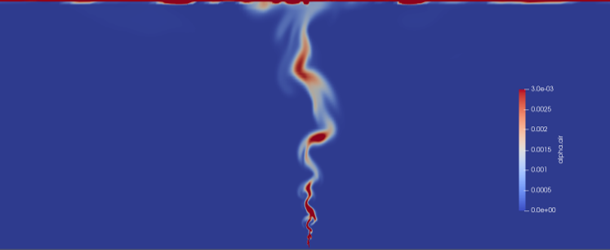
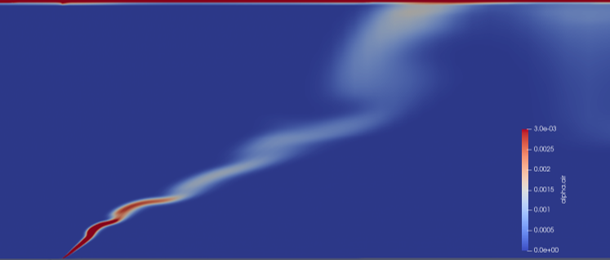
bubble curtain
  • Noise implication assessment
  • Dual-approach methodology
  • Advanced predictive models
  • Precise measurement techniques
  • Determining effective mitigation measures
  • Sound Exposure Level (SEL)
  • Zero-to-peak Sound Pressure Level (SPL)

Advanced Modeling for Regulatory Compliance

Heerema Engineering Solutions offers specialized underwater noise assessment services designed for the complexities of offshore energy development. Our multi-physics approach combines acoustic modeling with structural engineering to provide developers with precise predictions that align with global environmental regulations

Advanced noise modelling

Critical Risks in Noise Regulation

Safeguarding Marine Ecosystems

Noise emissions during the installation of offshore renewable projects must be mitigated to protect marine fauna. Noise needs to be accurately predicted to mitigate effectively.

HES Noise Implication Assessment

We can perform a noise implication assessment to estimate the noise pollution that will be generated by offshore pile-driving. The key metrics derived from this assessment include SEL, zero-to-peak SPL and a frequency analysis of SPL spectrum, which are critical for understanding and managing noise pollution levels. 


Dual Approach Methodology
At HES, we can accurately assess the noise levels produced and determine the most effective mitigation measures using advanced predictive models and precise measurement techniques. We use:

  • A low-fidelity approach: a fast method suitable for the early design phase.
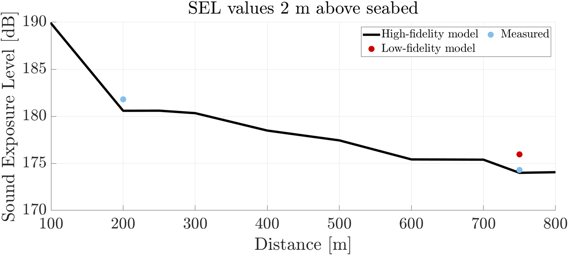
  • A high-fidelity approach: a detailed and more accurate method to optimize noise reduction measures. 

Tailored Assessment
The noise implication assessment can be tailored for foundations beyond monopiles, such as jackets, and for various hammer configurations. This flexibility ensures that our assessments are relevant to various installation scenarios, providing precise noise mitigation strategies for each unique situation. 

Noise Mitigation Solutions
In addition to noise analysis, we implement various innovative solutions to reduce noise emissions. Various noise mitigation techniques have been explored to mitigate the ecological impact of noise generated during the driving of foundation piles into the soil with an impact hammer. 

Among the array of solutions proposed by HES, the Big Bubble Curtain (BBC), available in both single (SBBC) and double (DBBC) configurations, along with the Noise Mitigation Screen (NMS), could be implemented in the noise implication assessment. 


The Two-Tier Simulation Strategy

Phase 01: Feasibility

Low-Fidelity Calculations

Our early-phase predictive output utilizes statistical solvers to map radial propagation and dynamic SEL values across project sites.
 
High-speed statistical solvers
Dynamic SEL (Sound Exposure Level)
Radial propagation mapping

Low-fidelity Noise


high-fidelity approach


Phase 02: Execution

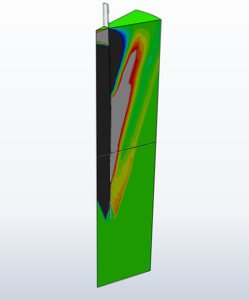
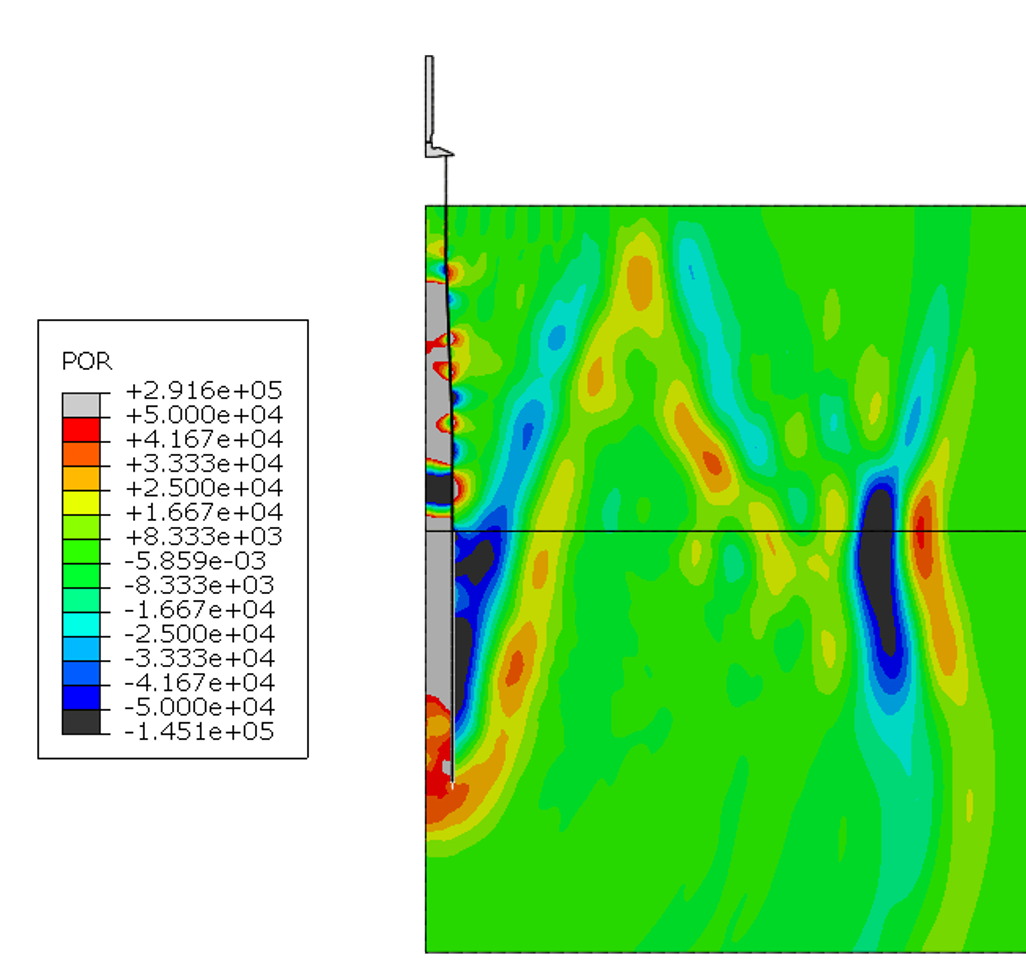
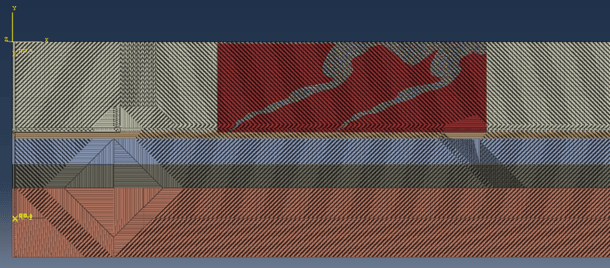
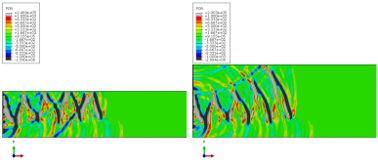
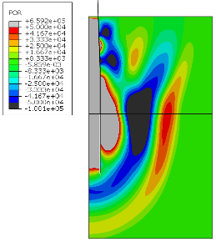
High-Fidelity FEA Analysis

Detailed structural-acoustic interaction modeling incorporating hammer-pile-soil interactions, sediment impedance, and comprehensive frequency analysis of the generated noise.

  Full Hammer-Pile-Soil interaction
  Site-specific sediment impendence
  3D Frequency response analysis


Offshore Model Validation

Our predictive models are validated using real-world offshore data collected during installation campaigns. This empirical feedback loop allows us to refine our algorithms, providing a level of reliability that regulatory bodies trust. 

high-fidelity - model valid


Operational Case Studies


Deep Water Installation Acoustic Analysis

Deep Water Installation Acoustic Analysis (image)


This case study illustrates the complex modeling of sound propagation in deep water environments. Our simulations account for bathymetry-driven reflection and refraction, ensuring accurate SEL predictions at extended ranges from the installation site. Using advanced acoustic, CFD and FEA modelling, we assessed how pin-pile driving noise propagates in deep water and how effective bubble curtains remain at greater depths and under ocean currents. The study provides valuable insight into underwater noise mitigation for future offshore wind installations.


Mitigation System Comparative Analysis

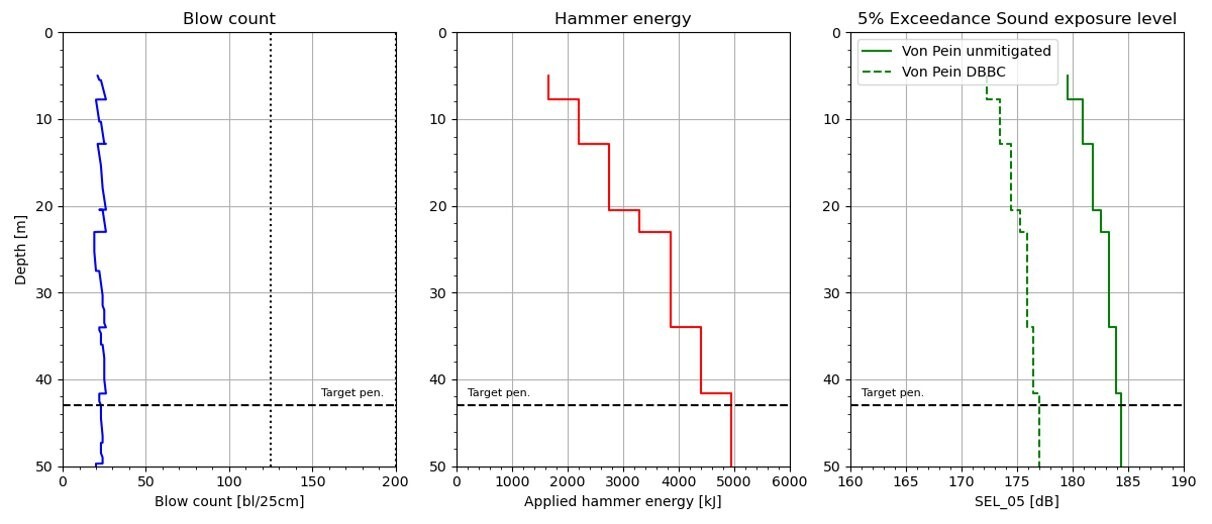
Performance comparison between unmitigated pile driving and the implementation of a Double Big Bubble Curtain (DBBC). This R&D study evaluated and compared the effectiveness of various underwater noise mitigation systems for monopile installation. Using near-field acoustic modelling, we assessed the noise reduction performance of different technologies to support the selection of effective mitigation measures for future offshore wind projects.


Unmitigated Acoustic Signature

Unmitigated Acoustic Signature (image)


Mitigated Signature (Bubble Curtain)

Mitigated Signature (Bubble Curtain) imgae