Noise Mitigation

Noise Assessment & Prediction for Offshore Pile Installations

Predict Assess Mitigate

By performing detailed underwater noise modelling for offshore wind and energy projects, we help developers, contractors, and regulators navigate environmental permitting and installation planning with confidence.

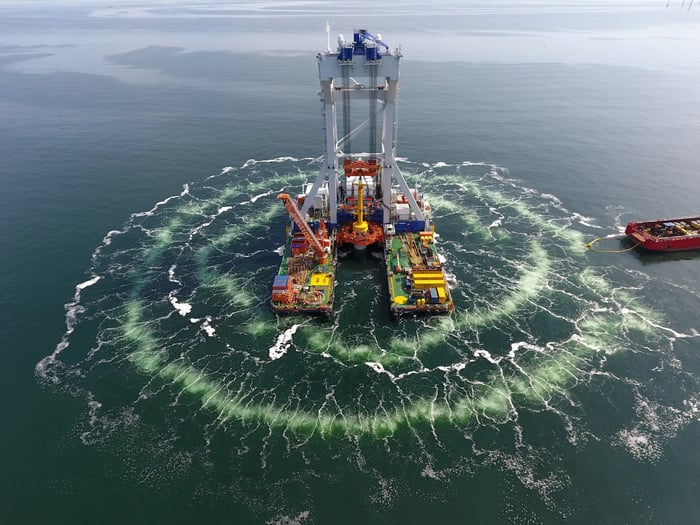
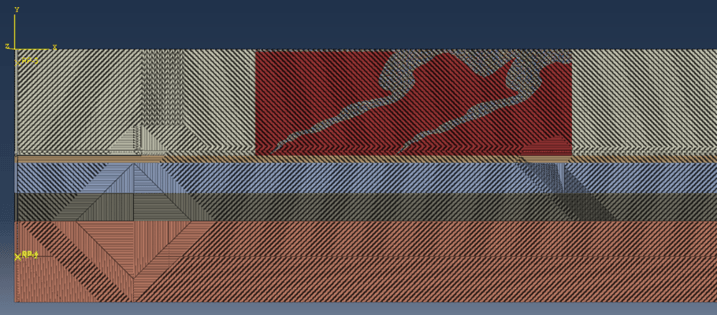
bubble curtain
  • Underwater noise assessments
  • Dual-fidelity approach methodology
  • Advanced predictive modelling
  • Validated using offshore measurements
  • Determining effective noise mitigation measures
  • Sound Exposure Level (SEL)
  • Zero-to-peak Sound Pressure Level (SPL)

Noise Assessment & Prediction for Offshore Pile Installations

By performing detailed underwater noise modelling for offshore wind and energy projects, we help developers, contractors, and regulators navigate environmental permitting and installation planning with confidence.

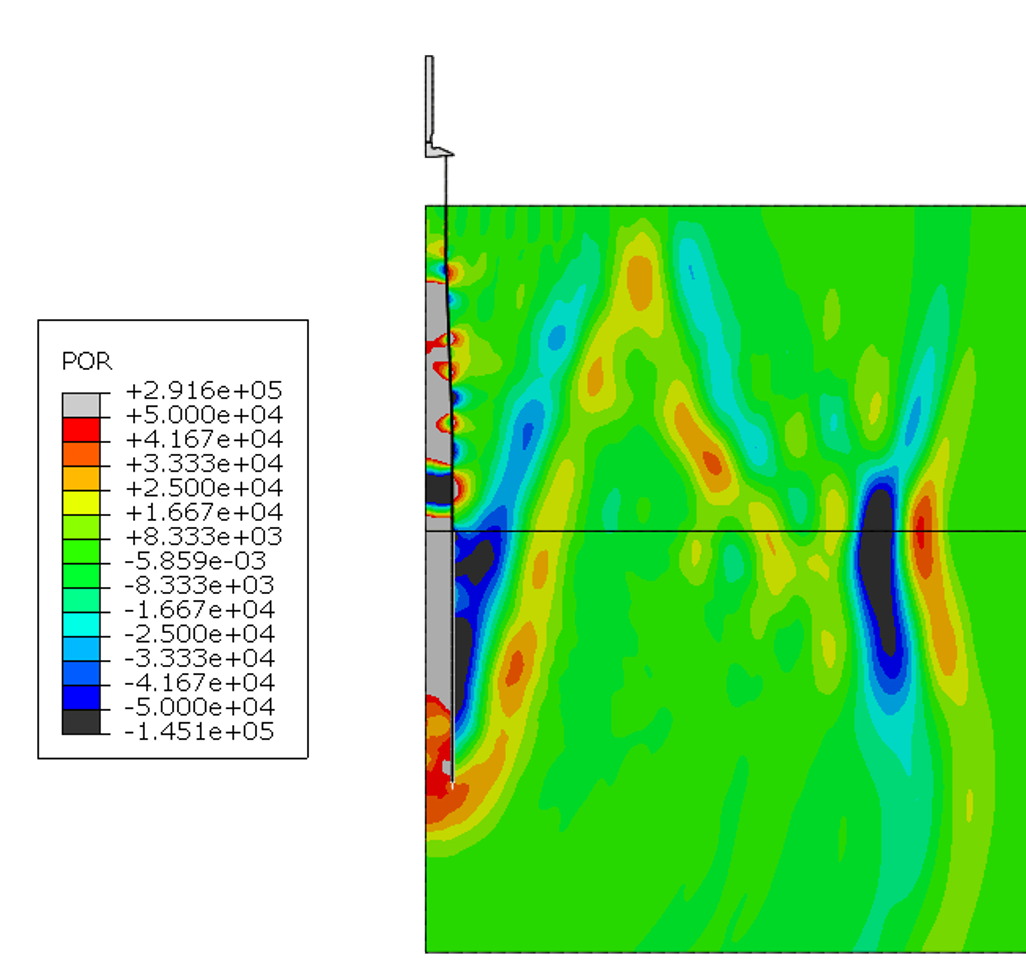
Pressure Plot

Critical Risks in Noise Regulation

Safeguarding Marine Ecosystems

Noise emissions during the installation of offshore renewable projects must be mitigated to protect marine fauna. Noise needs to be accurately predicted to mitigate project and consenting risks.

HES Noise Impact Assessment

We can perform a noise assessment to estimate the noise pollution that will be generated by offshore pile-driving.

Depending on the applicable regulatory requirements, a range of key metrics can be assessed, including SEL, SPL, cumulative SEL (CumSEL), and frequency spectrum analyses. These metrics are essential for evaluating environmental impacts and developing effective underwater noise mitigation strategies.


Dual-Fidelity Approach Methodology
At HES, we can accurately assess the noise levels produced and determine the most effective mitigation measures using advanced predictive models and precise measurement techniques. We use:

  • A low-fidelity approach: a fast method suitable for the early design phase.
  • A high-fidelity approach: a detailed and more accurate method to optimize noise reduction measures. 

Tailored Assessment
The noise impact assessment can be tailored for foundations beyond monopiles, such as jackets, and for various hammer configurations. This flexibility ensures that our assessments are relevant to various installation scenarios, providing precise noise mitigation strategies for each unique situation. 

Noise Mitigation Solutions
In addition to noise analysis for unmitigated installations, HES evaluates various innovative solutions to reduce noise emissions. Various noise mitigation techniques have been explored to mitigate the ecological impact of noise generated during the driving of foundation piles into the soil with an impact hammer. 

A wide range of noise mitigation measures can be incorporated into the modelling, including near-field systems such as Noise Mitigation Screen (NMS) and far-field systems such as Big Bubble Curtain (BBC) available as single bubble curtains, double big bubble curtains, and enhanced bubble curtains.
 

The Two-Tier Simulation Strategy

Phase 01: Feasibility

Low-Fidelity Calculations

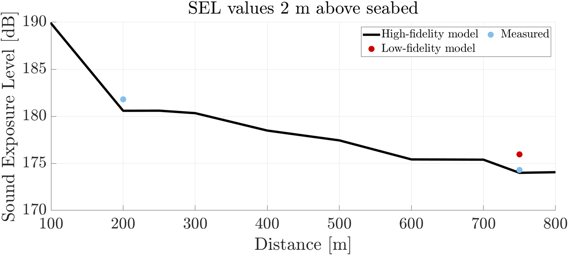
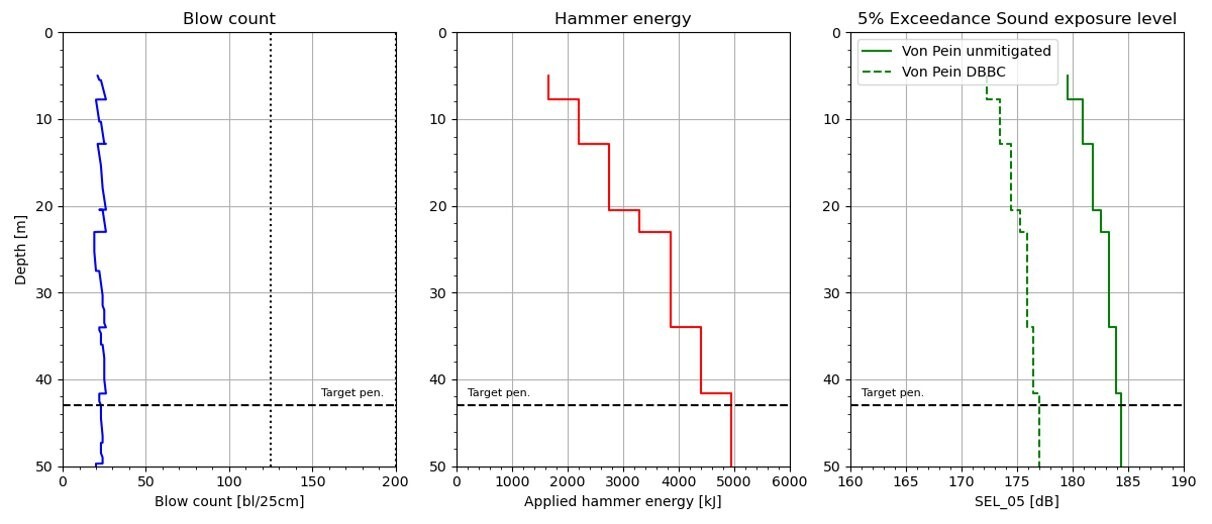
For early-phase screening studies, we use an empirical model that predicts SEL at 750 m based on drivability analysis results. This enables quick comparison of the expected underwater noise levels associated with different foundation designs.


Quick predictions of SEL
SEL development during pile penetration
Comparing impact of foundation designs

Low-fidelity Noise


high-fidelity approach


Phase 02: Execution

High-Fidelity FEA Analysis

Our detailed structural-acoustic interaction model incorporates hammer-pile-soil interactions, sediment impedance, and comprehensive frequency analysis of the generated noise.

  Full Hammer-Pile-Soil interaction
  Site-specific sediment impendence properties
  Frequency response analysis
Influence of noise mitigation measures


Offshore Model Validation

Our predictive models are validated using real-world offshore data collected during installation campaigns. This empirical feedback loop allows us to refine our models, providing a level of reliability that regulatory bodies trust. 

high-fidelity - model valid


Operational Case Studies


Deep Water Installation Acoustic Analysis


Deepwater installation acoustic analysis


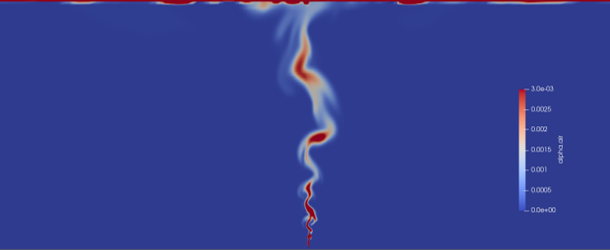
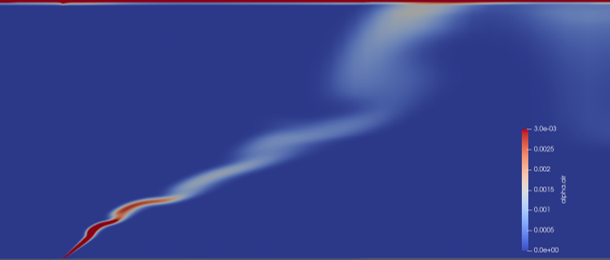
This case study illustrates the complex modeling of sound propagation in deep water environments. Using advanced acoustic, CFD and FEA modelling, we assessed how submerged pin-pile driving noise propagates in deep water and how effective bubble curtains remain at greater depths and under ocean currents. The study provides valuable insight into underwater noise mitigation for future offshore wind installations.

Mitigation System Comparative Analysis

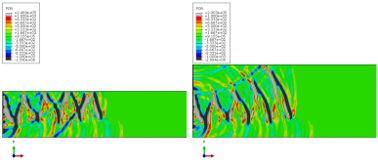
This R&D study preformed a comparison between unmitigated pile driving and the implementation of a Double Big Bubble Curtain (DBBC). HES evaluated and compared the effectiveness of various underwater noise mitigation systems for monopile installation. Using near-field acoustic modelling, we assessed the noise reduction performance of different technologies to support the selection of effective mitigation measures for future offshore wind projects.


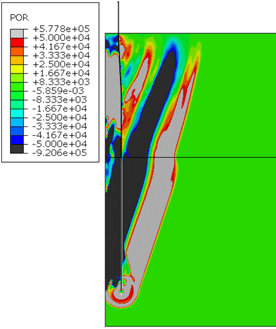
Unmitigated Acoustic Signature 

UnmitigatedAcoustic


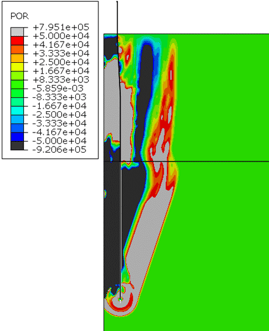
Mitigated Signature (Near Bubble Curtain)

Near BBC